Why do radon levels change over time?
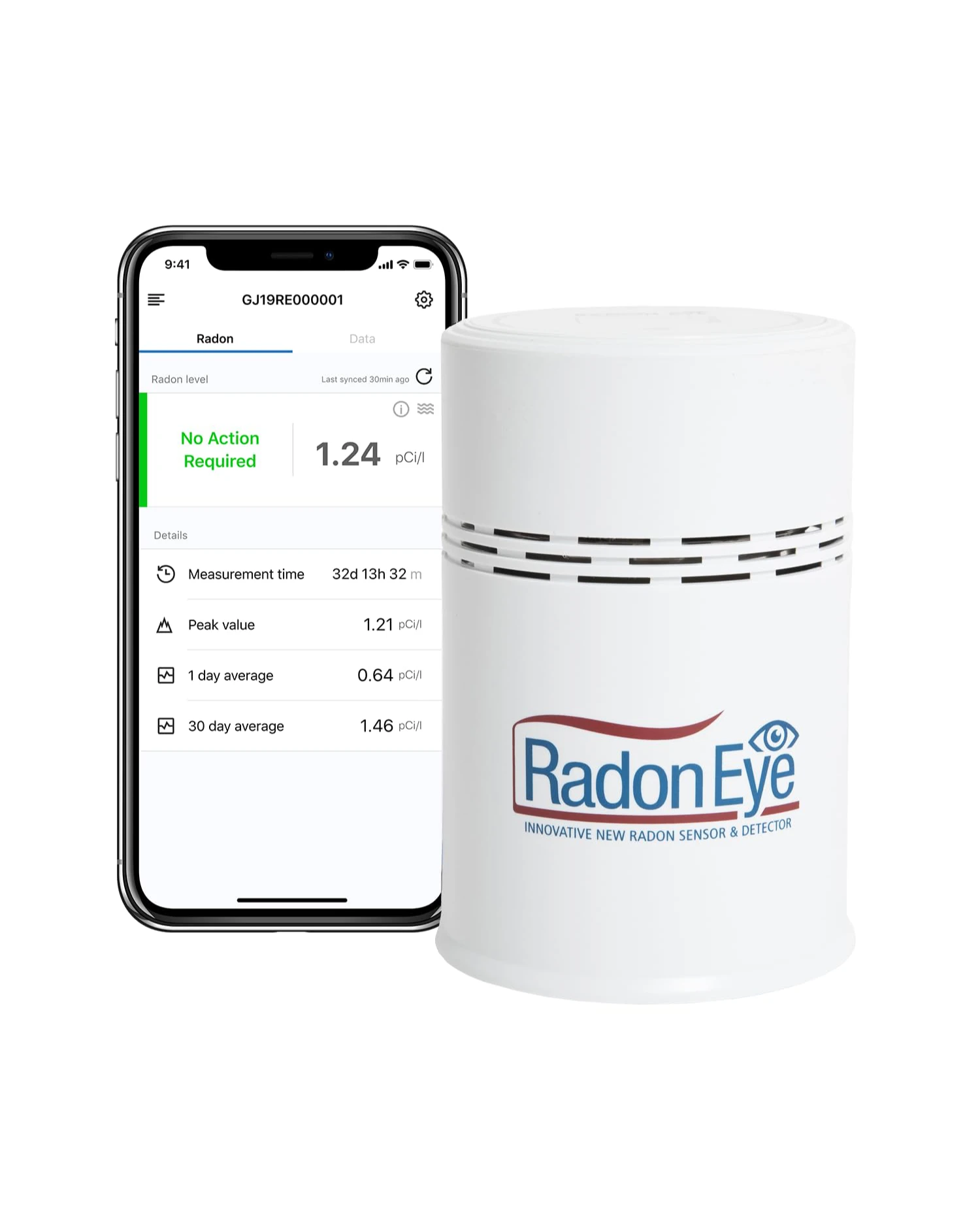
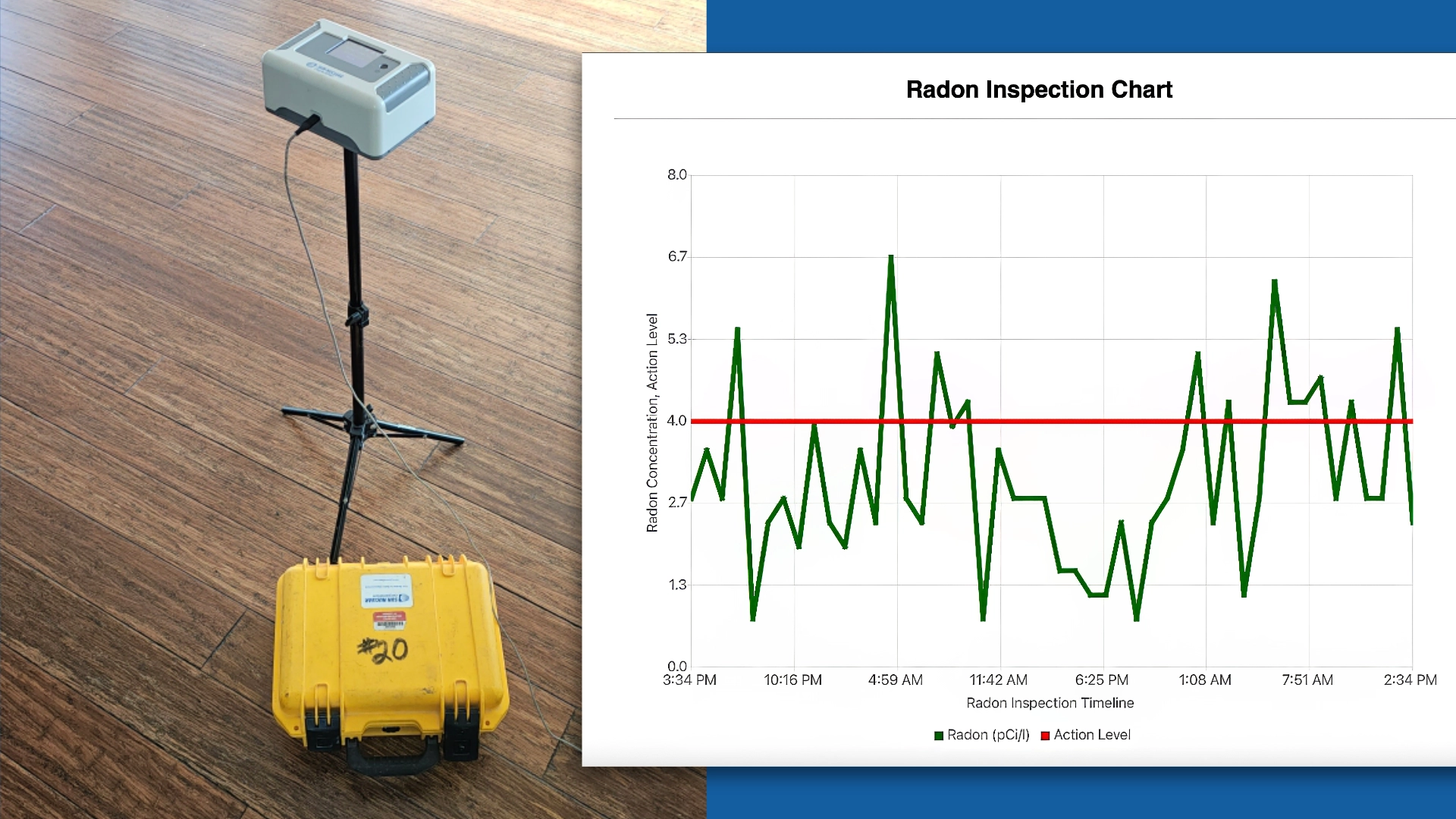
Radon levels in a home are not fixed, and they rarely stay the same from one day to the next. In fact, professional grade Continuous Radon Monitors often show that radon levels can fluctuate from hour to hour. These changes occur because radon is influenced by many variables that are constantly at work both inside and outside the home. External conditions such as barometric pressure, wind, rain, and temperature shifts can affect how radon moves through the soil and into a structure. At the same time, everyday household activities like running HVAC systems, exhaust fans, dryers, or opening windows and doors can alter air pressure within the home, changing how radon enters and accumulates. Together, these factors explain why radon levels are always in motion and why understanding those fluctuations is key to accurate testing and effective mitigation.
Factors that affect radon levels
When evaluating radon levels, it is important to understand that not all influencing factors behave the same way. Some conditions affect radon levels over long periods of time, while others cause short term fluctuations that can change levels quickly. Recognizing the difference between long term and short term factors is essential for accurately interpreting radon test results and determining the most effective approach to radon mitigation. Below, we break down how both long term and short term factors influence radon levels inside the home.
What are factors that affect radon levels over time?
Decay of Uranium
Radon levels change over time primarily due to the natural decay of uranium in the soil beneath a home, which is the source of radon gas.
Change of Seasons
Seasonal temperature shifts also play a significant role by influencing HVAC usage and pressure dynamics within the home.
Increased Stack Effect during Winter Months
During colder months, increased heating and the natural stack effect can create negative pressure that draws more radon up from the soil.
Cracks in Foundation
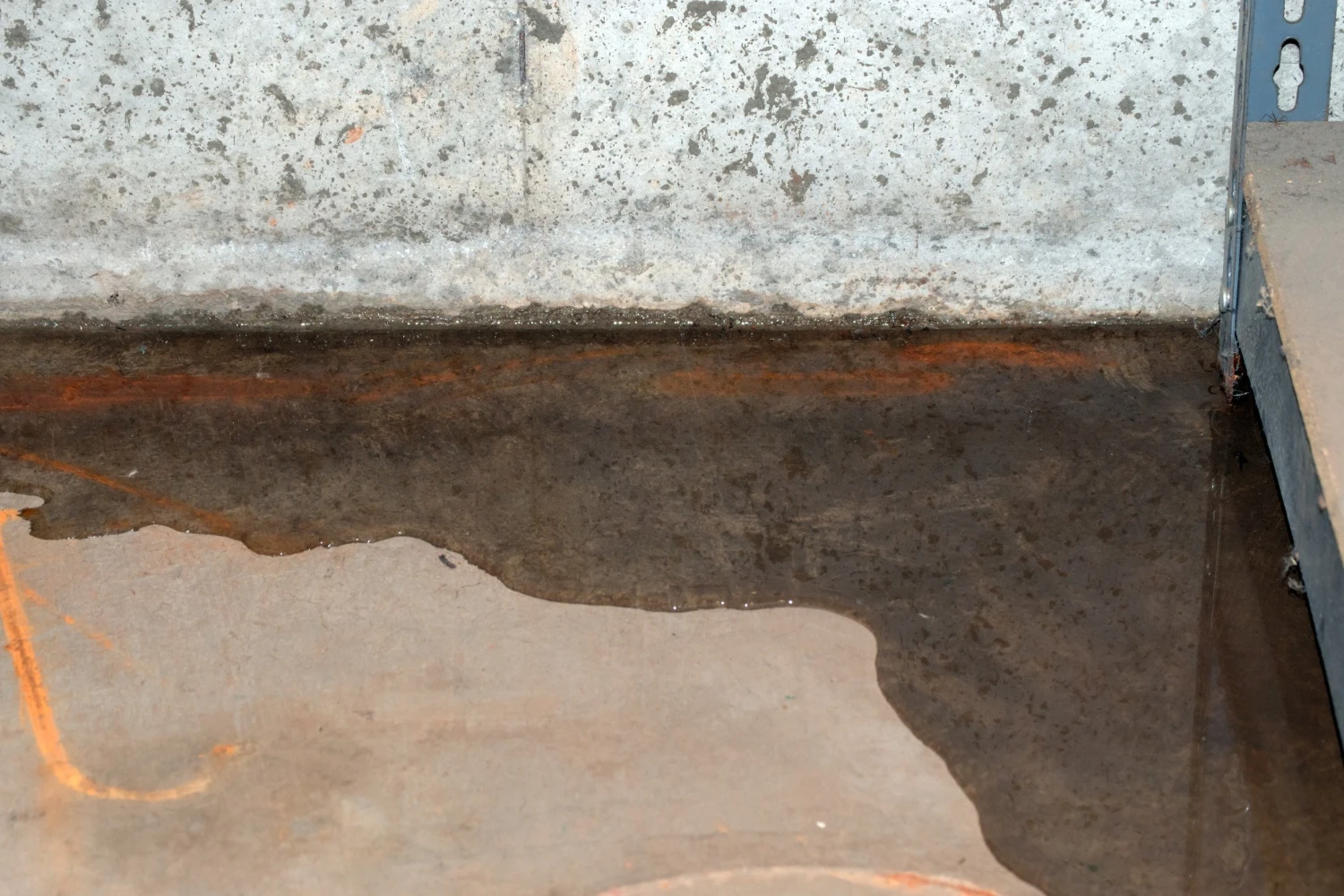
Over time, foundation settling may lead to cracks or openings that allow additional radon entry.
Home Renovations
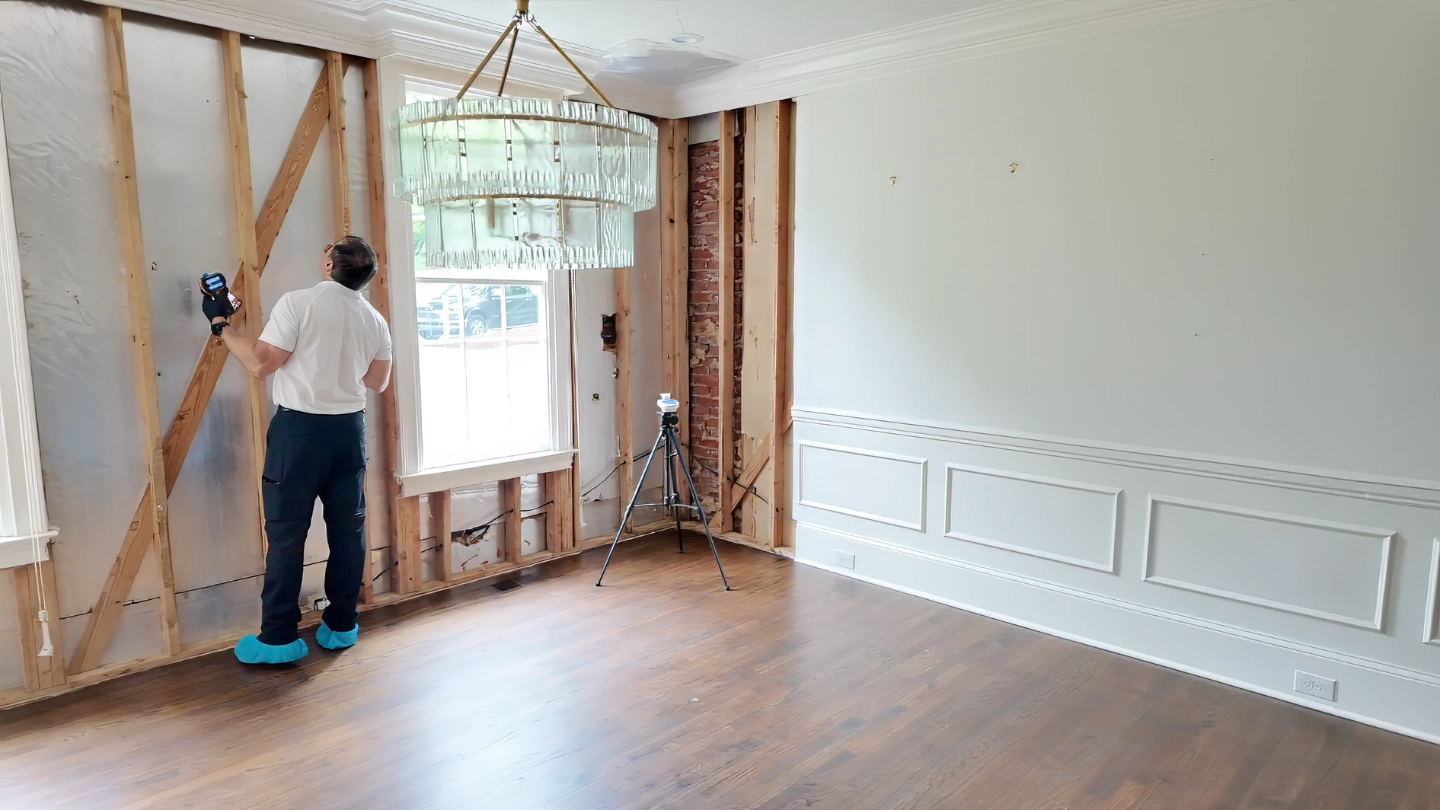
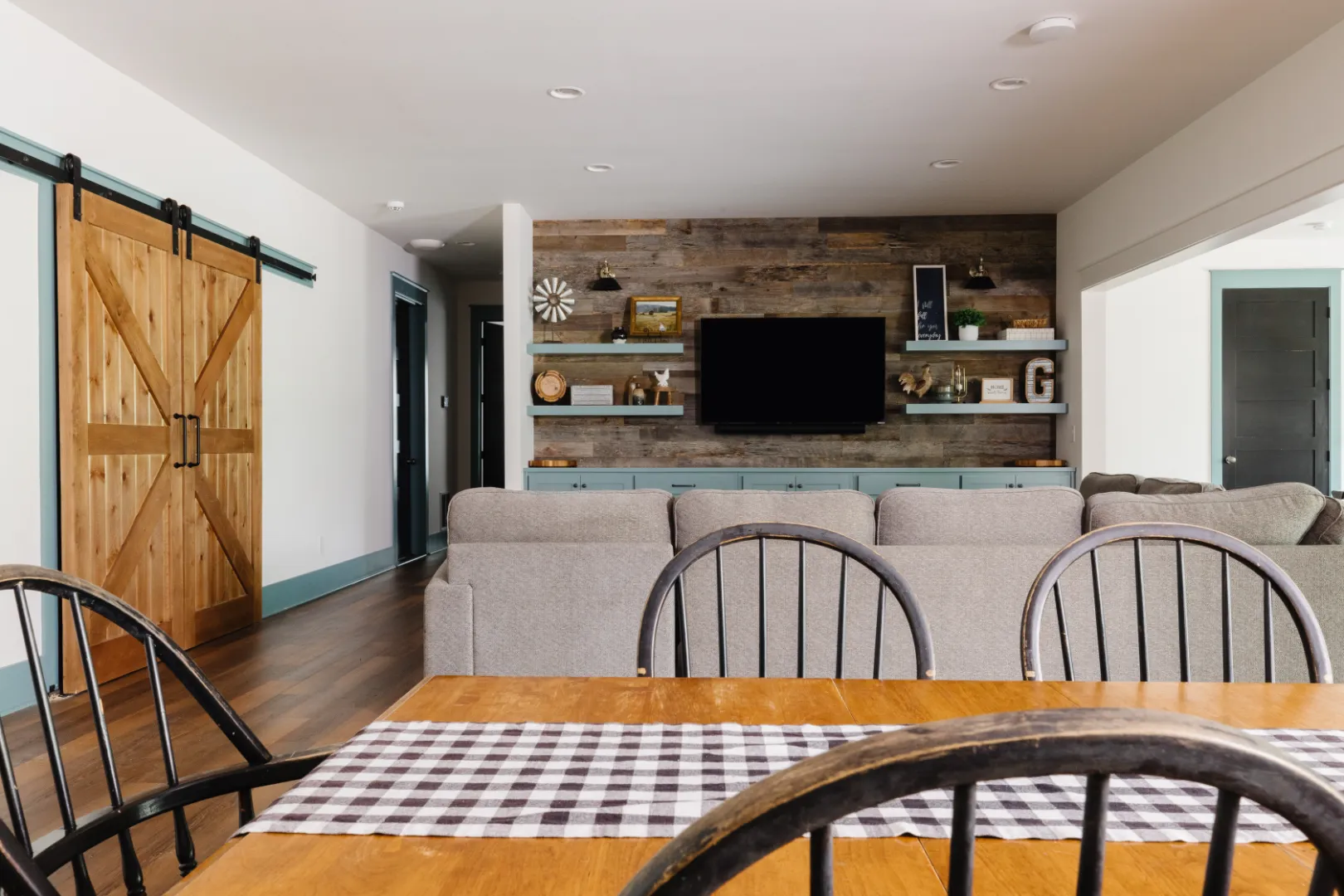
Major changes to the home, such as finishing a basement, can further alter pressure differentials and airflow patterns, sometimes resulting in elevated radon levels.
What are factors that impact radon levels daily?
Radon levels can change from day to day due to routine conditions both inside and outside the home.
HVAC System
As HVAC systems turn on and off, they can create shifts in pressure inside the home, sometimes producing negative pressure that draws radon gas up from the soil beneath the foundation. Over time, these daily temperature swings translate to noticeable fluctuations in indoor radon levels.
Outdoor Temperature
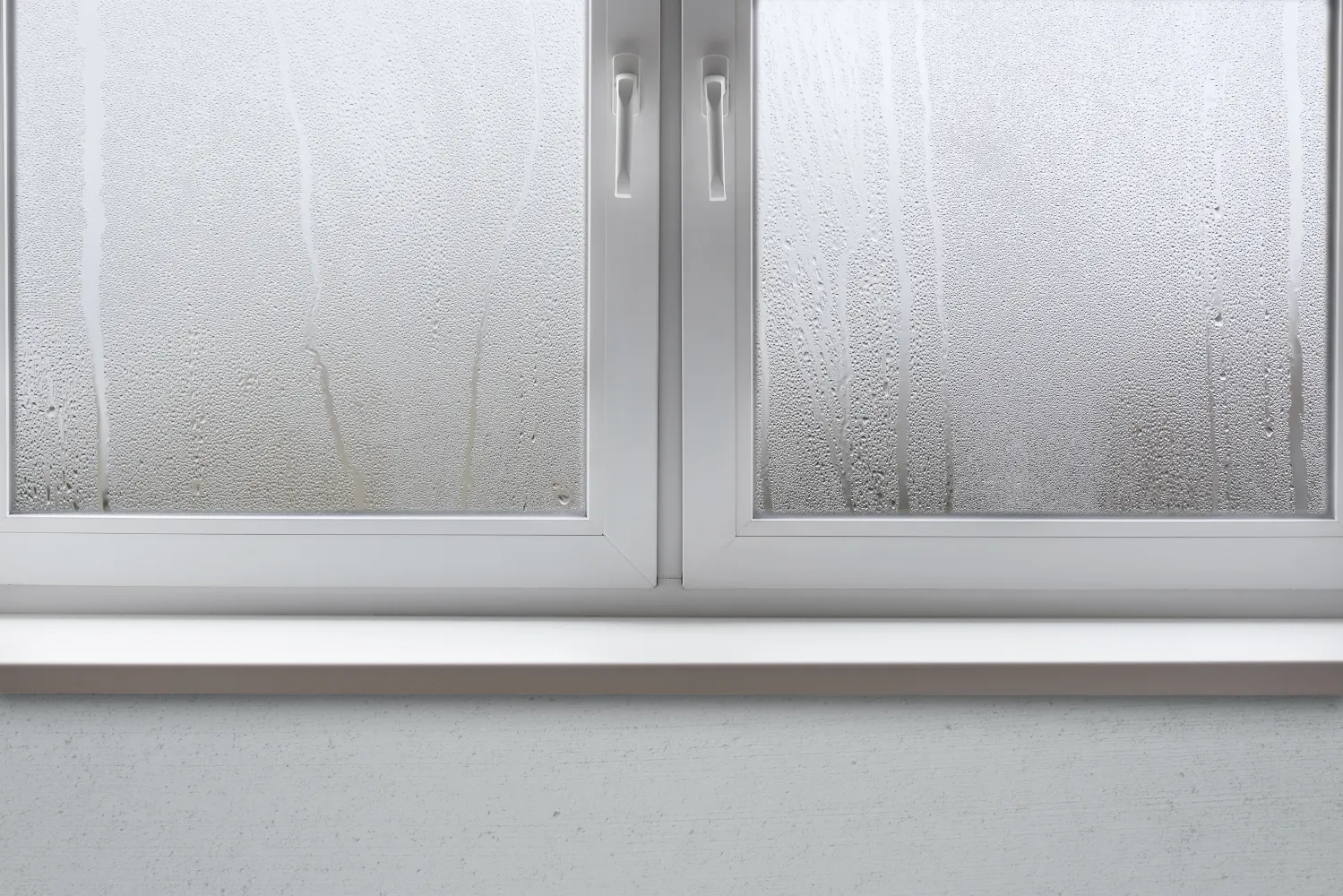
Temperature plays an important role in radon levels by influencing pressure differences within a home through the natural stack effect. Outdoor temperature changes between day and night influence how often and how long HVAC systems operate, further affecting indoor pressure conditions. Together, these pressure changes can increase the movement of radon from the soil beneath the home into the living space.
Barometric Pressure
Shifts in barometric pressure caused by daily weather patterns can significantly influence radon movement in the soil. When atmospheric pressure drops, such as before or during storms, the pressure above the ground becomes lower than the pressure within the soil. This difference allows radon gas to move more freely upward through the soil toward areas of lower pressure, including beneath the home. Once concentrated under the foundation, radon can more easily enter through cracks, joints, and other openings in the structure. These pressure changes can occur quickly, which is why radon levels may rise or fall within a single day.
Wind
Wind moving across a home can create pressure differences as it pushes against certain walls and surfaces of the structure. These pressure changes can lower the pressure inside the home, particularly near the foundation. When indoor pressure drops, radon gas in the soil is more easily drawn up from the ground and into the home.
Conclusion
Radon levels change over time due to a combination of short term and long term influences, all driven by how a home interacts with its environment. Understanding these factors is a key part of building science and is essential for designing an effective radon mitigation system that improves indoor air quality. This is why choosing a radon specialist with building science expertise matters. For homeowners in the Greater Metro Atlanta area, Ensign Building Solutions applies this level of knowledge to design and install radon mitigation systems that deliver lasting, reliable results.