What Is Pollution Coverage and Why It Matters for Mold Remediation in Georgia
When hiring a mold remediation contractor, most homeowners focus on price, availability, and promises of results. What often gets overlooked is one of the most important protections available during remediation work: pollution coverage, also commonly referred to as contractor pollution liability insurance, environmental liability insurance, or pollution insurance. In this blog, we will help you understand what this coverage is and how it can help protect your health, your finances, and your long term well being if something goes wrong during a mold remediation project.
What Is Pollution Coverage in Mold Remediation
Pollution coverage is a specialized insurance policy that protects both the contractor and the homeowner if contaminants released during remediation cause bodily injury, illness, or property damage. In the context of mold remediation, this coverage applies if mold spores, mycotoxins, or other airborne contaminants are improperly disturbed, spread, or released during the remediation process.
What about standard general liability insurance? Does that count?
Standard general liability insurance does not typically cover pollution related claims. Mold, fungi, and microbial contamination are often excluded in these types of coverage. Pollution coverage exists specifically to address these risks and to provide financial protection if exposure results in medical issues or additional damage to the home.
Why Pollution Coverage Protects Homeowners
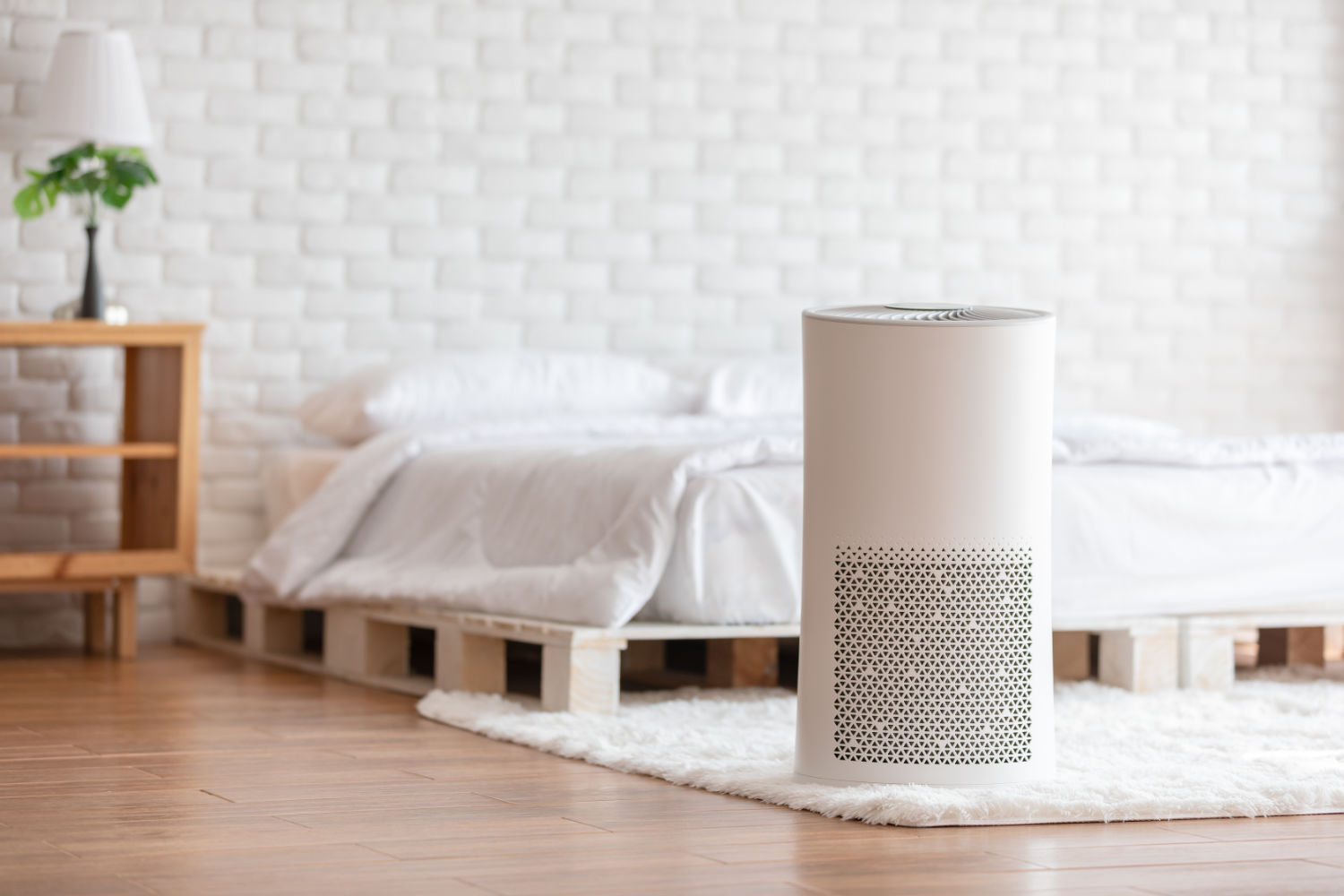
When mold is disturbed, spores can easily become airborne. During remediation, the movement of people, equipment, and materials, along with vibrations and airflow changes, all increase the likelihood of spores being released into the air. This is why proper containment is critical during any mold remediation project. Even when a contractor takes precautions by installing containment barriers, maintaining negative air pressure, and using air scrubbers, there is still the possibility that something can go wrong. When cross contamination occurs, mold spores can spread into clean areas of the home and be inhaled by occupants, sometimes leading to health symptoms that do not appear immediately. For these reasons, we often say that a poorly executed remediation can be worse than no remediation at all.
If a homeowner or family member becomes sick due to improper remediation, the financial consequences can be severe. Medical bills, specialist care, missed work, and long term health impacts can quickly add up. Pollution coverage ensures there is an insurance policy in place to respond if exposure occurs due to contractor error. Without pollution coverage, the homeowner may have little to no financial protection.
The Real Risk of Hiring a Contractor Without Pollution Coverage
In the event of a bad remediation, the maximum recourse a homeowner has against a contractor without pollution coverage is limited to what that contractor can personally pay. In most cases, that means what is in their bank account. If a contractor does not carry pollution coverage and a homeowner becomes ill, any lawsuit or claim is only as valuable as the contractor’s available assets. If the contractor does not have the funds to cover medical bills or damages, those costs often fall back on the homeowner.
This is where trying to save money by hiring a cheaper contractor can become extremely expensive. A lower upfront price does not help if the contractor cannot financially stand behind their work when it matters most.
Pollution Coverage Signals a Trustworthy Contractor
Contractors who carry pollution coverage are demonstrating that they understand the risks of mold remediation and take responsibility for those risks. It shows they value protection not only for themselves, but for the homeowners they serve. Having pollution coverage means the contractor acknowledges that remediation is not just about confidence or experience. It is about accountability. Saying “I am good at remediation and I will not make a mistake” is not a substitute for insurance that protects homeowners if something goes wrong. Reputable remediation contractors invest in pollution coverage because they understand that mold remediation involves health related risks and that homeowners deserve an added layer of protection.
The truth about Mold Remediation in the state of Georgia: It Is Not Regulated
As of today in the year 2026, one of the biggest challenges homeowners face in Georgia is that the state does not regulate mold remediation. There are no licensing requirements, no mandated training standards, and no insurance requirements specific to mold remediation. This means virtually anyone can purchase equipment, put a sign on a truck, and advertise mold remediation services. There is nothing preventing an inexperienced and underinsured individual from performing work that directly affects indoor air quality and occupant health.
It's on You - Vet Your Contractors
Because Georgia does not regulate mold remediation, the responsibility falls entirely on the homeowner to vet contractors properly. General liability insurance is essential, but it should not be the only coverage you rely on. Be sure to also ask whether the contractor carries pollution coverage. Pollution coverage is one of the clearest indicators that a contractor takes their work seriously and understands the risks involved.
How Homeowners Should Protect Themselves
Before hiring a mold remediation contractor in Georgia, homeowners should ask direct questions, including:
- Do you carry pollution coverage specific to mold remediation?
- Can you provide proof of that coverage?
- What steps do you take during remediation to prevent cross contamination
If a contractor cannot provide proof of pollution coverage, homeowners should carefully consider the risk they are assuming. For more indepth information for your vetting process, read our blog on how to choose a qualified mold remediation contractor in Georgia.
Final Thoughts on Pollution Coverage and Mold Remediation
Mold remediation is not just a construction task. It is a health related service that directly affects the air you breathe inside your home. Pollution coverage exists to protect homeowners when remediation does not go as planned and to ensure there is real financial backing behind a contractor’s work. At Ensign Building Solutions, we are certified by the IICRC and follow established industry standards and best practices for mold remediation, but we do not stop there. We go the extra mile to protect our customers by carrying not only general liability insurance, but also pollution coverage. This means every mold remediation project we perform is backed not only by our workmanship warranty, but also by the proper insurance coverage designed to protect homeowners if something were ever to go differently than expected. In a state like Georgia, where mold remediation remains unregulated as of today in 2026, pollution coverage is one of the most important safeguards a homeowner can require. Hiring a contractor with pollution coverage is not about distrust. It is about protecting your family, your health, and your financial future. When it comes to mold remediation, true professionalism is not just about skill. It is about accountability when things go wrong.