Why Mold Likes to Grow on Wood
Mold is one of those problems that rarely announces itself. It doesn't flood your basement or set off an alarm. It shows up quietly, usually somewhere you don't spend much time, and the first sign that something is wrong is often how people in the house feel. Headaches. A cough that lingers. Sneezing that never quite turns into a cold. Skin irritation. Everyone's tolerance is different, which is part of what makes mold so frustrating. One person in the home may feel it constantly while another notices nothing at all.
From a building science perspective, though, mold isn't mysterious. It's predictable. It needs three things, and if you understand those three things, you understand almost everything about where it grows and how to stop it.
The Three Ingredients Mold Needs
Mold requires air, moisture, and an organic surface to feed on. That's it. Take away any one of the three and growth stops.
Look at that list from a homeowner's point of view and the problem becomes obvious. You can't remove air from your house. And the organic food source? That's the structure itself.
Wood Is the Buffet
Wood is an organic material, which makes it an ideal food source. And wood is everywhere in a home.
Walk through an unfinished basement and you're looking at exposed lumber: floor joists, rim joists, sill plates, and subfloor sheathing overhead. Open a crawl space hatch and it's the same story. Joists, girders, and the underside of your subfloor, all of it wood, all of it sitting in the most humid part of the house. Even inside the finished living space, wood surrounds you as hardwood flooring, kitchen cabinets, baseboards, door casing, and decorative trim.
You are not going to remove the wood from your house. Which leaves exactly one ingredient you can actually control: moisture.
That's the whole game. Mold prevention is moisture management.
Moisture Is More Than a Leak
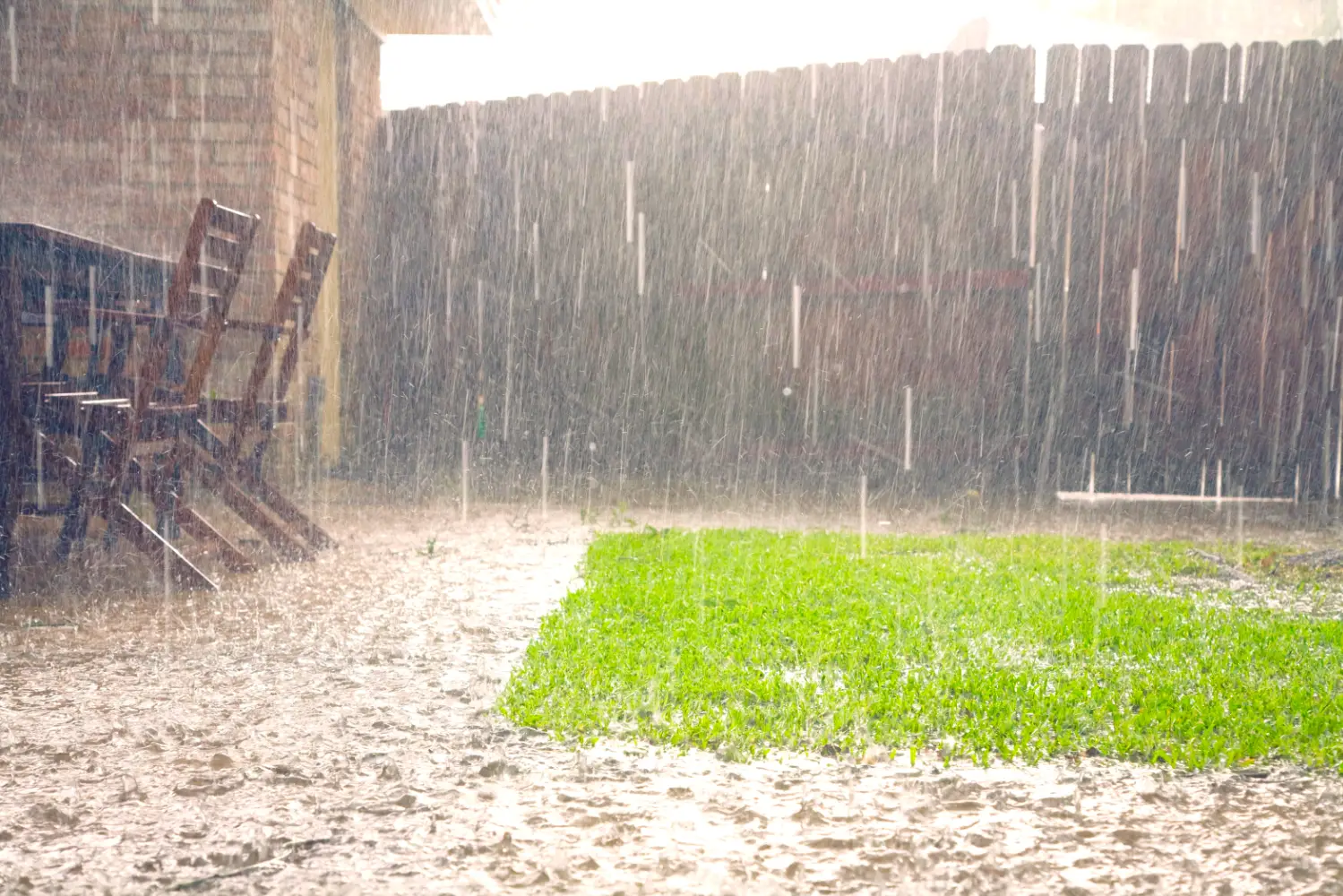
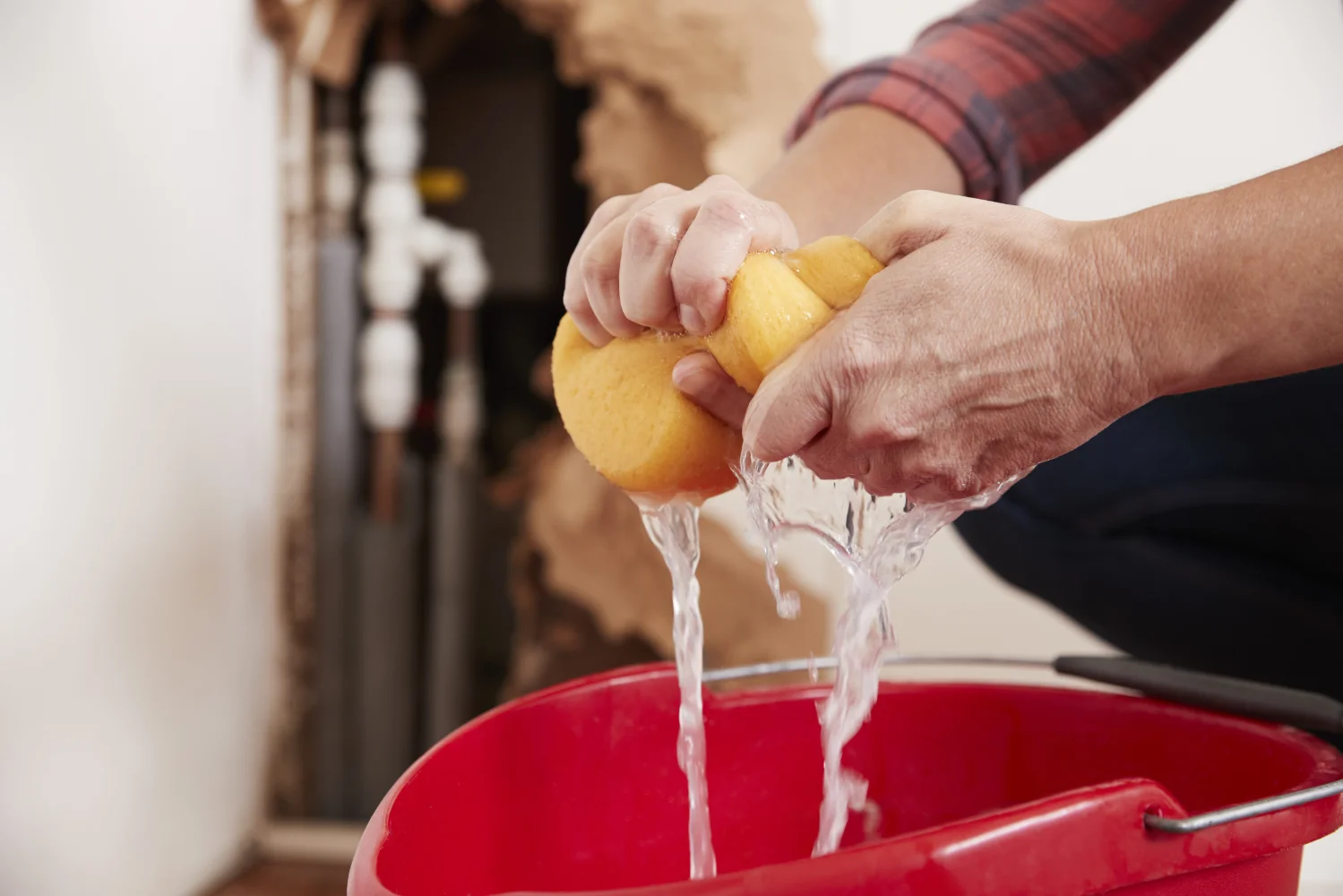
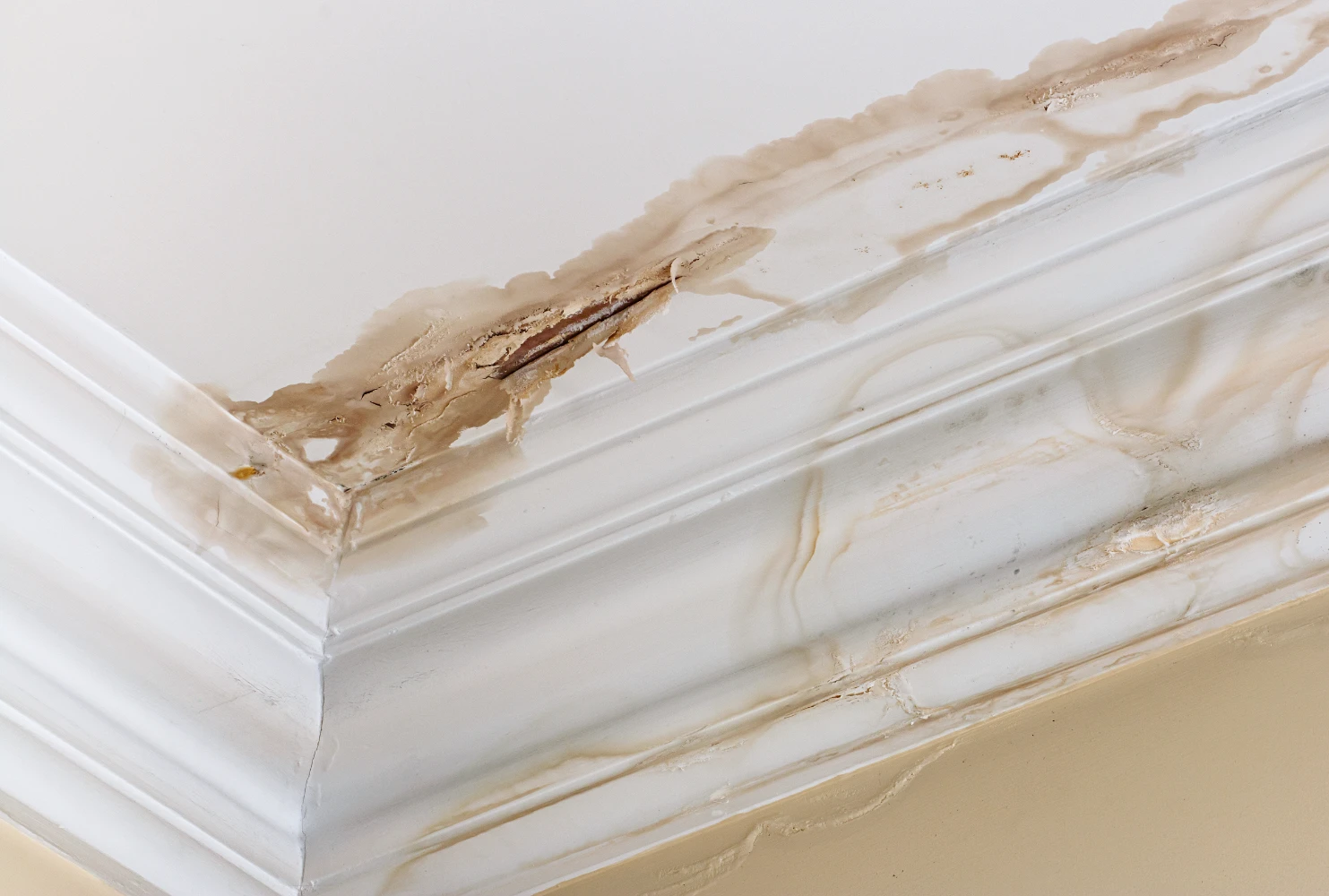
When most people hear "moisture problem," they picture bulk water. A burst supply line, a failed water heater, rain coming in around a window. Those events absolutely cause mold, and they need to be dried fast.
But bulk water is only half the conversation. Moisture in the form of water vapor is just as capable of creating an environment where mold thrives, and it does its damage slowly enough that nobody notices until there's visible growth.
Once indoor relative humidity climbs to roughly 65% or higher, there is enough moisture available in the air for mold to colonize organic surfaces. No leak required. No standing water. Just humid air sitting against wood, day after day.
This is why we tell homeowners that a crawl space with no water intrusion at all can still grow mold across every joist.
Why Basements and Crawl Spaces Are the Usual Suspects
Elevated relative humidity is extremely common below grade, and there's a straightforward reason for it.
Relative humidity is relative to temperature. Warm air can hold a lot of water vapor. Cool air can hold much less. Take a volume of air with a given amount of moisture in it, cool that air down, and you haven't removed a single drop of water. But the relative humidity climbs, because that cooler air is now much closer to its saturation point.
Basements and crawl spaces sit below grade, surrounded by soil that stays cool year round. Warm, humid outdoor air finds its way in through vents, gaps, and the stack effect of the house itself, then cools as it contacts those below grade surfaces. Relative humidity spikes. Push it far enough and that vapor condenses directly onto the building materials: cool foundation walls, ductwork, and the wood framing overhead.
Now you have all three ingredients in one place, and you have them continuously. That's a breeding ground.
One nuance is worth adding. What really matters isn't the number on a hygrometer in the middle of the room, it's the humidity at the surface. A joist that's several degrees cooler than the surrounding air will hold a much higher relative humidity right at its face than the room reading suggests. This is why mold often appears on the coldest surfaces first, and why a room that "only" reads 60% can still have wood sitting at growth conditions.
Wood Is Porous, and That Changes How You Clean It
Here's the part most homeowners are never told.
Wood isn't just food for mold. It's porous food. Mold is not simply sitting on top of the board like dust. It sends hyphae, which are root-like structures, down into the pores of the substrate. The growth you can see on the surface is connected to a structure you can't see inside the wood.
This is exactly why bleach is the wrong tool for cleaning mold off wood.
Bleach will knock down the visible growth on the surface and make the board look better. But chlorine bleach doesn't meaningfully penetrate a porous substrate. The water in it soaks in while the active chlorine largely stays at the surface. The root structure inside the pores is untouched. The wood looks clean, the homeowner assumes the problem is solved, and the growth returns.
A hydrogen peroxide based solution is far more effective on wood. Peroxide penetrates the substrate rather than sitting on it, and it works by oxidation. You can actually watch it happen. When peroxide contacts mold and organic material, it fizzes as it breaks down and releases oxygen. That visible reaction is the oxidation doing its work.
Killing Mold Isn't the Same as Removing It
Even the right chemistry isn't enough on its own, because of one fact that surprises almost everyone:
Dead mold is still allergenic.
The proteins and spore fragments that trigger symptoms don't stop being irritants once the organism is no longer viable. A surface that's been sprayed and left alone still has allergenic material sitting on it, ready to become airborne every time someone moves through the space or the HVAC system runs.
Proper remediation therefore requires physical removal of the mold from the material it grew on. Treat the surface, then wipe it, scrub it, and HEPA vacuum it until the contamination is physically gone. This isn't just our opinion. It's the core principle of the industry standard for mold remediation. Antimicrobials are a supplement to physical removal, never a substitute for it.
Why the Contractor You Hire Matters
This is where the difference between remediation companies shows up most clearly, and crawl spaces are the best example.
Some companies will enter a moldy crawl space, fog it or blast the surfaces, and call the job complete. Fogging does not remove anything. It disperses a product into the air and onto surfaces. Abrasive methods can remove surface growth, but if the debris is never physically cleaned up afterward, contaminated material is still down there.
A qualified remediation contractor treats the surfaces and physically wipes down every surface where mold was growing, then cleans up the debris that removal creates. It's slower, it's harder, and it's the only approach that actually gets the contamination out of the home.
And then there's the step that determines whether any of it lasts: finding the moisture.
If the crawl space is remediated but nothing changes about the humidity, vapor drive from the soil, drainage, or ventilation strategy, the mold comes back. The wood is still there. The air is still there. Nothing has been done about the one ingredient you can control.
The Bottom Line
Mold grows on wood because wood is organic, porous, abundant, and frequently damp. You can't take the wood out of your house, and you can't take the air out of it either. Every effective mold strategy comes down to controlling moisture, both bulk water and vapor, and to physically removing contamination rather than just spraying it.
If you have a mold problem in your home, Ensign Building Solutions is a qualified mold remediation contractor. We don't just remove the mold. We identify the sources of moisture that caused it in the first place, so your home is protected against it coming back.